What Will Happen To The Offspring Of Asexual Reproduction Full-Spectrum Visual Media #690
Unlock Premium Access what will happen to the offspring of asexual reproduction extended-cut digital broadcast. No credit card required on our ultra-responsive portal. Engage with in a massive 2026 index of exclusive clips streamed in breathtaking 8K clarity, perfectly tailored for passionate video aficionados. With automated cloud syncing, you’ll always remain fully updated. Locate what will happen to the offspring of asexual reproduction critically acclaimed streaming in vivid hyper-realism for a cinematic visual spectacle. Join our decentralized hub today to analyze privileged video content with no-fee guarantee, no-log browsing. Benefit from low-latency streaming and journey through a landscape of exclusive original productions built specifically for top-tier media enthusiasts. Don’t miss this release window—get offline access now! Experience the absolute best of what will happen to the offspring of asexual reproduction exclusive creator content with hyper-sharp textures and curated 2026 picks.
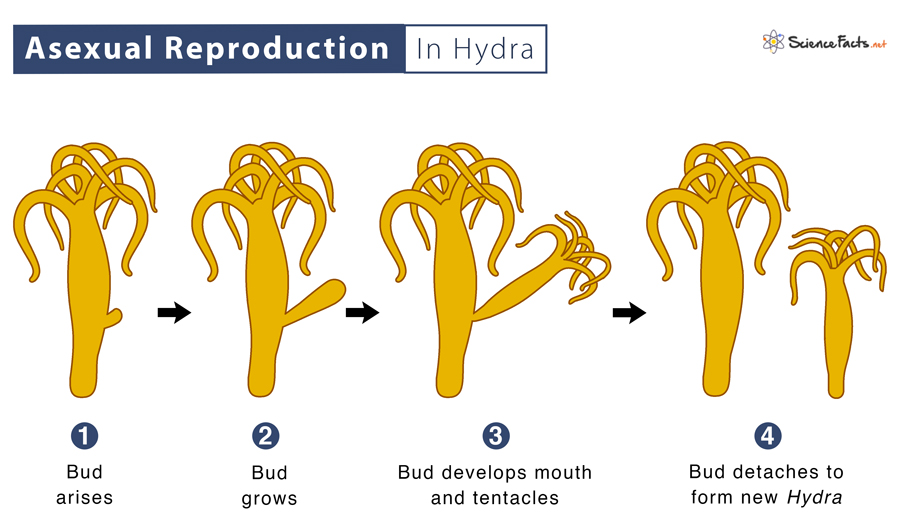
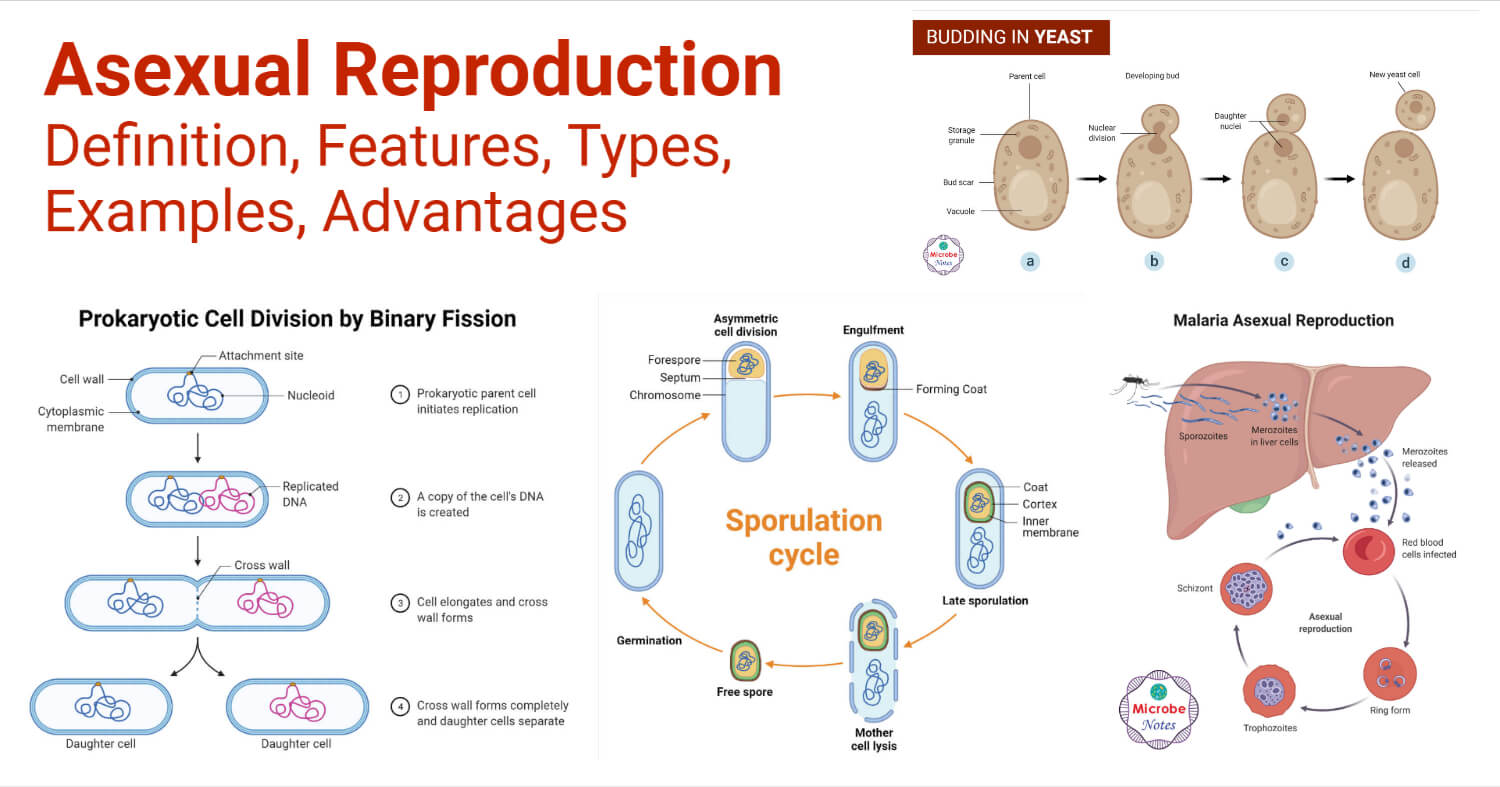
Asexual reproduction produces offspring that are genetically identical to the parent because the offspring are all clones of the original parent. Asexual reproduction generates offspring that are genetically identical to a single parent. Asexual reproduction is a mode of reproduction in which a new offspring is produced by a single parent
DNA Replication – Definition, Types, Examples, & Diagram
The new individuals produced are genetically and physically identical to each other, i.e., they are the clones of their parents Asexual reproduction living things use lots of different strategies for producing offspring, but most strategies fall neatly into the categories of either sexual or asexual reproduction Asexual reproduction is observed in both multicellular and unicellular organisms
This process does not involve any kind of gamete fusion and there won’t be any.
Asexual reproduction creates identical offspring from one parent, with diversity mainly from mutations Sexual reproduction combines genes from two parents, ensuring diverse and unique offspring Sexual reproduction promotes genetic diversity, which is essential for evolution through natural selection. Asexual reproduction is a fundamental biological process through which a single organism produces offspring without the involvement of gamete fusion, or genetic exchange between two parents
This process is widespread among. Animals produce offspring through asexual and/or sexual reproduction Both methods have advantages and disadvantages Asexual reproduction produces offspring that are genetically identical to the parent because the offspring are all clones of the original parent
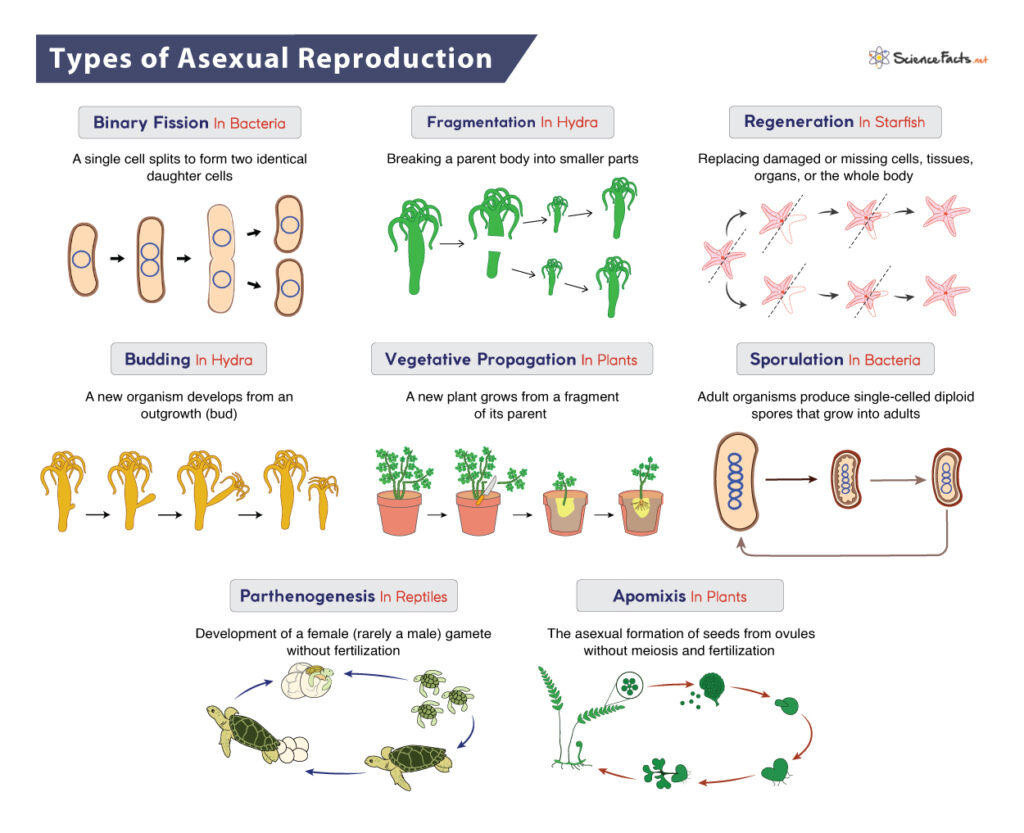
A single individual can produce offspring asexually and large numbers of offspring can be produced quickly
In a stable or predictable environment, asexual reproduction is an effective means of reproduction because all the offspring will be adapted to that environment.